

A Taste of Hollywood: The Origins of Iconic Fast Food
The origins of iconic Hollywood fast food can be traced back to the early 20th century, when the burgeoning film industry began to take shape along California’s sun-drenched Marquee Boulevard. As Hollywood emerged as a cultural epicenter, it significantly influenced the dining habits of its residents and visitors. The rise of cinema created a demand for quick and convenient food options, giving birth to what we now know as fast food.
During the golden age of cinema in the 1920s and 1930s, Iconic Hollywood Fast Food a thriving local economy and a variety of food offerings created a unique environment for the evolution of fast food. The need for patrons to dine quickly between studio meetings and movie screenings led to the establishment of several fast food outlets. The influence of Hollywood on this dining trend was profound; numerous stars frequented these establishments, helping to popularize the idea of fast meals consumed on-the-go.
One of the first iconic fast food establishments to emerge from this period was A&W Root Beer in 1919, initially serving hot dogs and root beer floats. Following this, by the 1940s and 1950s, names like McDonald’s and Burger King would establish their own iconic styles of fast food, further setting the standard for speed and convenience. The recognizable golden arches and flame-grilled burgers now serve as emblematic symbols of an entire industry pioneered by California’s culinary innovations.
Moreover, the fast food industry became a reflection of changing American lifestyles, which embraced efficiency and accessibility. As families sought to balance busy schedules, the idea of iconic Hollywood fast food transitioned from a novelty to a staple within American diets. The influence of Hollywood on fast food not only reshaped culinary habits but also contributed to the national identity surrounding dining out.
In this sense, the historical context of fast food in Hollywood not only chronicles the evolution of dining during a significant era but highlights how iconic establishments helped forge a lasting connection between cinema and gastronomy.
Hollywood’s Best-Kept Secrets: Must-Try Iconic Fast Food Spots
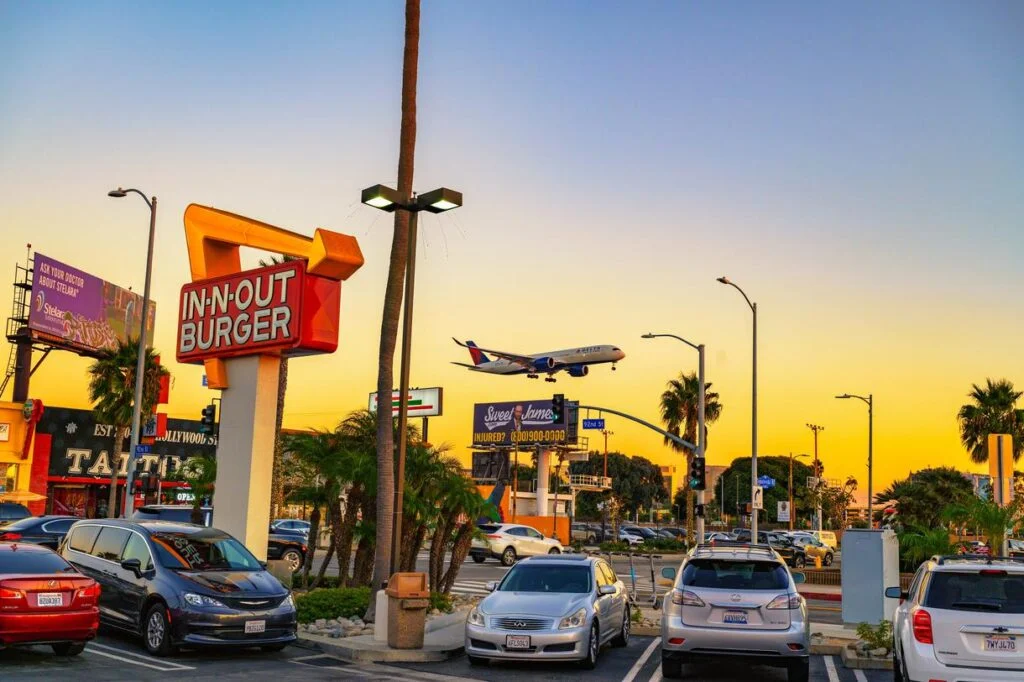
When it comes to iconic Hollywood fast food, several establishments stand out as beloved culinary landmarks. Each of these spots embraces a unique charm, historical significance, and a menu that keeps both locals and tourists coming back for more. The first highlight is In-N-Out Burger, renowned for its fresh ingredients and simple yet delicious offerings. Their double-double burger, paired with their secret sauce and crispy fries, has become emblematic of the California fast food experience.
Another notable establishment is Pink’s Hot Dogs, a family-owned hot dog stand that has been serving up mouthwatering frankfurters since 1939. With an extensive menu that includes creative toppings and delightful combinations, Pink’s has attracted the attention of numerous celebrities over the decades. A visit here is not just about the food; it’s a walk through Hollywood history. Be sure to try their famous “Hollywood Ambassador Dog,” topped with chili and cheese.
For those searching for a more retro vibe, Musso & Frank Grill offers a unique hybrid of fast food and fine dining. Although primarily known as a classic American restaurant, the establishment has fast food elements such as their famous burgers that showcase the essence of Hollywood’s culinary roots. Since 1919, this establishment has served a plethora of movie stars, making it a prime spot for celebrity sightings.
Lastly, don’t overlook Tommy’s Original Hamburgers, famous for its chili burgers that are the epitome of indulgence. The original location is a popular late-night hangout, adding to its allure. To fully enjoy your visit, consider harboring some patience as lines can be long, especially during peak hours.
Each of these iconic fast food locations encapsulates the vibrant culture of Hollywood and offers enjoyable dining experiences that should not be missed. Whether you’re indulging in a burger, hot dog, or chili dish, these establishments provide a taste of history and a glimpse into the lives of those who have frequented them.
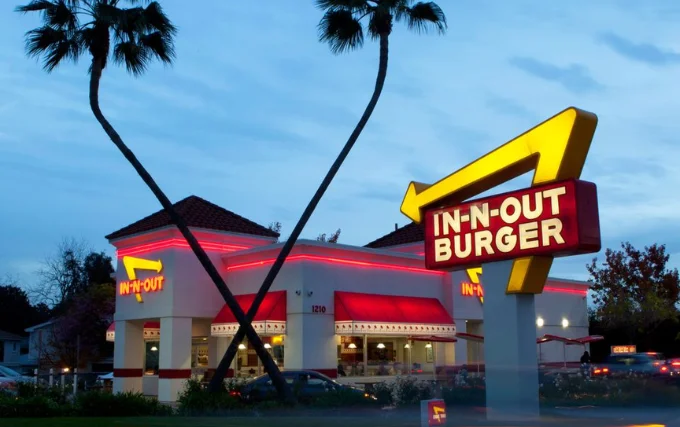
Hollywood has long been intertwined with the world of fast food, leading to numerous connections between A-list celebrities and iconic Hollywood fast food chains. Many actors and actresses have publicly shared their affinity for these eateries, which not only reflect their personal tastes but also symbolize a casual lifestyle amid their glamorous careers. For instance, some stars have been known to frequent chains like In-N-Out Burger, with its secret menu becoming a pop culture phenomenon among fans and celebrities alike.
Numerous celebrities have expressed their love for fast food through interviews, social media, and even in their film roles. The allure of classic comfort food resonates with many, as it offers a taste of normalcy. For example, renowned actor and filmmaker, Timothée Chalamet, has been quoted reveling in the simplicity of a McDonald‘s Big Mac, while supermodel Kendall Jenner has shared her fondness for Taco Bell’s Crunchy Tacos, showcasing how even the most glamorous stars indulge in these quintessential American meals.
The integration of celebrity endorsements with fast food has further solidified the connection between Hollywood’s elite and these iconic chains. It is not uncommon to witness collaborations where celebrities lend their names to special menu items or limited-time offerings. For instance, rapper Travis Scott launched his own meal at McDonald’s, which fueled a frenzy among both fans and food enthusiasts, highlighting how star power can significantly impact the fast food landscape. These collaborations elevate the cultural significance of fast food in Hollywood, transforming simple meals into trends that resonate with diverse demographics.
Fast Food in Film: Iconic Hollywood Scenes Featuring Fast Food
Fast food has played a significant role in shaping cinematic narratives, serving not only as a meal choice for characters but also as a powerful symbol of culture and modernity. One of the most memorable portrayals of iconic Hollywood fast food is found in the 1994 film Pulp Fiction, where the infamous ” royale with cheese” scene between Vincent Vega and Jules Winnfield unfolds. This dialogue elevates a simple burger order into an emblem of cultural exchange, showcasing how fast food is deeply interwoven into American life and identity.
Throughout the decades, numerous films have utilized fast food establishments to comment on larger societal trends. For example, in Super Size Me (2004), Morgan Spurlock’s exploration of McDonald’s diet not only critiques the fast food industry but also highlights its pervasive presence in everyday life, underlining how these iconic restaurants shape the American eating experience. The film spurred a conversation about health, convenience, and consumerism, reflecting the significant influence of iconic Hollywood fast food on public perception.
Moreover, classic films like American Graffiti (1973) showcased the quintessential drive-in experience, where fast food symbolizes youth culture, camaraderie, and the rebellious spirit of the 1960s. The nostalgia tied to these scenes reveals how iconic fast food joints serve as more than just eateries; they are cultural landmarks that define specific eras and attitudes. As cinema evolves, the representation of fast food in popular films has shifted, often evolving from mere background settings to pivotal components influencing character development and plot progression.
In conclusion, the portrayal of iconic Hollywood fast food in film illustrates its cultural significance while reflecting societal values and shifting norms. From casual conversations to critical commentaries, these cinematic moments immortalize fast food as an enduring part of Hollywood’s narrative, resonating with audiences on multiple levels.
