

Understanding Oxzep7 and Its Current Environment
Oxzep7 is a versatile tool widely used in various programming environments, especially for handling complex data structures and automating workflows. It provides a set of functions that allow developers to manage and process data efficiently. However, as technology evolves at a rapid pace, there is an increasing need to upgrade Oxzep7 to Python, which is known for its simplicity, readability, and extensive libraries.
The significance of Upgrade Oxzep7 to Python in current projects cannot be overstated, as it streamlines operations and enhances productivity. However, its functionality can be limited by the environment in which it operates. Often, Oxzep7 relies on specific dependencies that must be compatible with the intended upgrade to Python. This can include libraries and frameworks that are essential for its operation but may not be directly transferable to the newer environment without modification.
Moreover, the existing limitations of Oxzep7, such as its performance issues in handling larger datasets or reduced support for contemporary programming practices, further necessitate the upgrade to Python. Embracing Python can mitigate these challenges by providing a more robust framework that supports advanced functionalities and better performance. Therefore, understanding the current environment of Oxzep7, along with its dependencies, is crucial when planning an upgrade. This ensures that developers can structure a seamless transition to Python, thereby capitalizing on the benefits offered by the modern programming landscape.
Reasons for Upgrading to Python
The move from Oxzep7 to Python offers numerous performance and functional advantages that can significantly enhance software development processes. Python is highly regarded for its speed and efficiency, which can lead to substantial performance improvements compared to Oxzep7. By leveraging Python’s optimized structure, developers can execute tasks more promptly, hence reducing overall processing time and increasing productivity.
Additionally, Python’s extensive libraries and frameworks open up a wealth of features that are often unavailable in Oxzep7. Many developers appreciate the convenience of using pre-built libraries such as NumPy for numerical computations, Pandas for data manipulation, and Matplotlib for data visualization, all of which streamline the development process. This extensive toolkit allows for rapid application development resulting in more efficient resource management.
Community support for Python is robust and well-established, providing a reliable foundation for developers to seek help and share best practices. The vast array of online resources, documentation, and active forums dedicated to Python ensures that developers can quickly resolve issues, enhance their understanding, and continuously improve their projects. In contrast, Oxzep7 may not have the same level of community support, which can hinder development efforts.
Real-world examples exhibit how transitioning from other programming languages to Python has yielded significant advantages. Companies in data analytics, web development, and machine learning sectors have reported enhanced performance, higher scalability, and simplified maintenance procedures after making similar upgrades. These case studies serve as compelling evidence for the benefits that upgrading Upgrade Oxzep7 to Python can provide, leading to smarter and more adaptive software solutions.
Step-by-Step Guide to Upgrade Oxzep7 to Python

Upgrading Oxzep7 to Python is a critical process that ensures compatibility with the latest features and improvements inherent in Python programming. To start, it is crucial to back up your existing Oxzep7 configuration and any important data to prevent potential loss during the upgrade. A systematic backup can be accomplished by copying configuration files and databases to a secure location.
Once the backup is complete, it is advisable to test the current functionality of Oxzep7. This testing phase allows you to identify any pre-existing issues that may be exacerbated by the upgrade process. Documenting the current operational status serves as a useful reference point to evaluate the success of the upgrade.
Now, you can begin the actual upgrade process. Upgrade Oxzep7 to Python First, ensure that your environment meets the necessary prerequisites for running the latest version of Python. This includes installing any required dependencies and ensuring that your system resources are sufficient. You can find compatibility information in the official documentation.
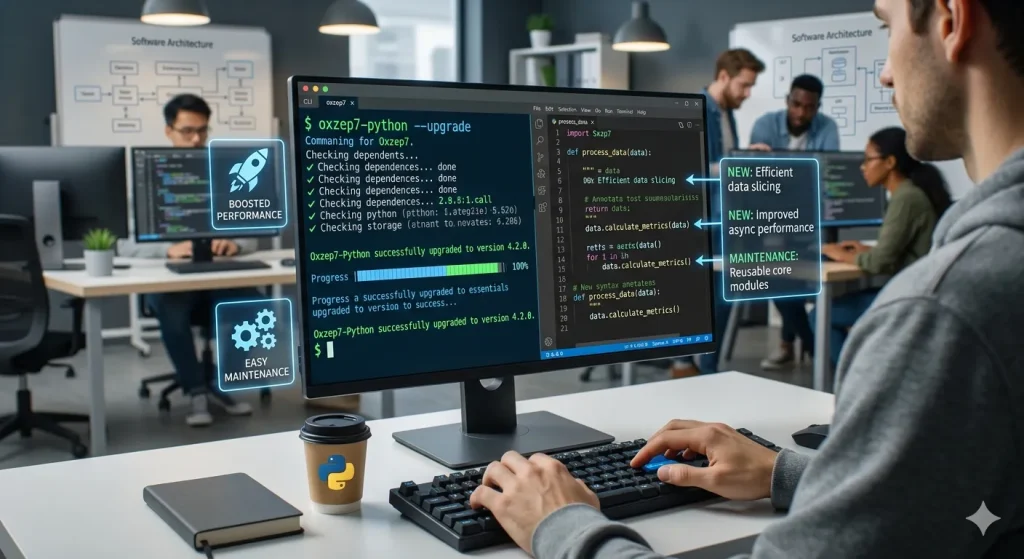
With the prerequisites in place, download the latest Oxzep7 version compatible with Python. Run the installation command appropriate for your platform, usually found in the installation documentation. This process may involve executing command-line instructions to initiate the upgrade, and it is important to be attentive during this phase, as errors can occur if the commands are not correctly entered.
Troubleshooting is a vital part of this process. Post-upgrade, check for any missing features or error messages. Compare the current performance with your initial testing documentation to identify any discrepancies. Common issues may include inadequate driver support or library mismatches, so always refer to the upgrade logs for specific error messages and resolutions.
In conclusion, a methodical approach to upgrading Oxzep7 to Python will not only minimize risks but also enhance the overall functionality of your application. Follow these structured steps diligently to ensure a seamless transition.
Post-Upgrade Best Practices and Testing
Following the successful upgrade of Oxzep7 to Python, it is imperative to implement a series of best practices and testing protocols to safeguard the integrity and performance of the newly upgraded environment. These measures not only validate the success of the upgrade process but also facilitate ongoing stability and efficiency.
One of the foremost practices is to conduct thorough integration testing. This entails examining all system components to ensure they work harmoniously post-upgrade. During this phase, it is crucial to identify any incompatibilities or functional discrepancies that may have arisen due to the upgrade. Running automated tests, if available, can help in monitoring the behavior of the application, ensuring that it meets the required performance benchmarks.
Additionally, validating the upgrade involves checking for the correct implementation of libraries and dependencies associated with Python. Utilize tools designed for compatibility checks to confirm that they are operational within the upgraded environment. This validation step significantly reduces the likelihood of unexpected issues manifesting in the future.
Performance assessments should also be a key component of the post-upgrade evaluation. Analyze load times and response rates to gauge the overall enhancement or degradation of performance following the transition to Python. Optimization may be needed based on these findings, helping ensure that the application runs optimally.
Finally, to maintain the codebase moving forward, it is essential to establish consistent code review practices and utilize version control systems. Keeping the code well-documented and regularly tested will help in promptly addressing any arising issues, ensuring the system remains robust. By adhering to these best practices post-upgrade, you can ensure a stable and high-performing application after upgrading Oxzep7 to Python.
