

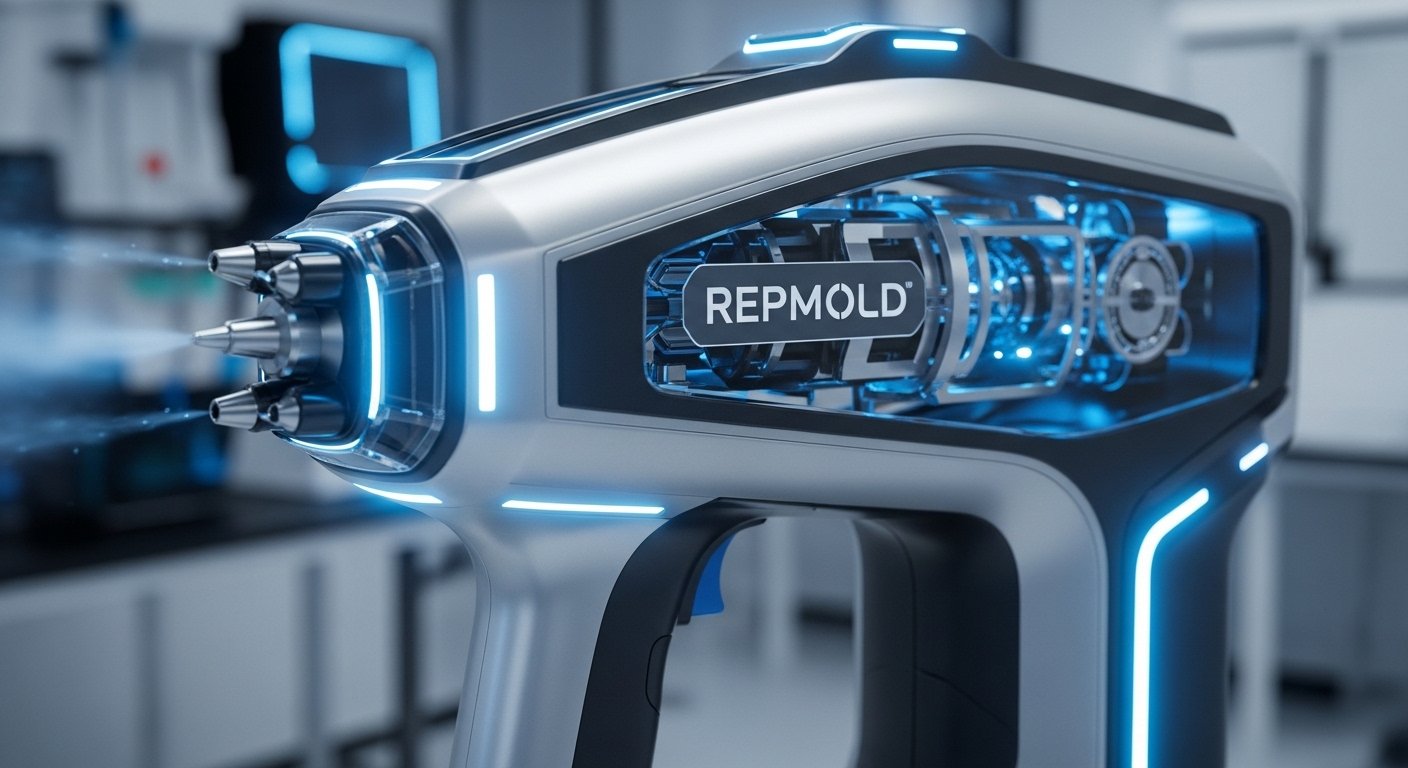
What is RepMold?
RepMold is an innovative molding technology that is redefining the landscape of plastic manufacturing. At its core, RepMold allows for a more efficient and versatile approach to the molding process compared to traditional methods. Unlike conventional techniques, which typically rely on rigid molds and lengthy production times, RepMold employs advanced materials and dynamic molding methods that yield higher precision and reduced waste.
The essence of RepMold lies in its ability to adapt to the specific needs of various industries, offering solutions for both complex geometries and large-scale production. This technology leverages smart design principles and cutting-edge software to streamline the creation of molds, significantly reducing the lead time from concept to final product. It promotes a sustainable manufacturing process by optimizing material usage and minimizing environmental impact, making it a preferred choice for organizations focused on sustainability.
One of the most significant distinctions of RepMold is its methodology, which integrates additive and subtractive techniques, allowing for unparalleled flexibility in the molding process. Whereas traditional molding often necessitates multiple steps and considerable labor, RepMold simplifies these requirements, enabling manufacturers to produce parts with intricate details in a single production run.
In summary, RepMold signifies a paradigm shift within the plastic molding industry, offering manufacturers enhanced capabilities to innovate while achieving operational efficiency. Its unique characteristics not only differentiate it from traditional molding methods, but they also establish RepMold as a vital component in modern manufacturing across various sectors, from automotive to consumer products.
The Advantages of Using RepMold
RepMold technology offers numerous advantages that make it a transformative option in the plastic molding industry. One of the key benefits of using RepMold is its efficiency; the technology ensures a rapid production cycle. This acceleration in manufacturing not only reduces lead times but also allows companies to respond swiftly to market demands. Consequently, businesses can achieve higher output rates without compromising quality.
Cost-effectiveness is another hallmark of RepMold. Traditional molding techniques often require substantial investments in machinery and maintenance, while RepMold minimizes these costs by utilizing innovative, streamlined processes. The technology employs advanced materials that reduce waste and energy consumption during production. Over time, this efficiency can lead to significant savings, making it an economically sustainable choice for manufacturers.
Additionally, RepMold has a favorable environmental impact as it often produces less scrap material than conventional molding methods. The ability to recycle or use bio-based plastics in the RepMold process contributes to a reduced carbon footprint and aligns with sustainability goals, which are increasingly important in today’s manufacturing landscape.
Furthermore, product quality is enhanced through RepMold’s precision capabilities. The technology allows for complex geometries and intricate designs that meet diverse customer requirements. This design flexibility means that manufacturers can easily innovate and customize their products, ensuring they stay competitive in a rapidly changing market. As a result, RepMold not only optimizes production but also empowers brands to elevate their offerings.
In essence, the combination of efficiency, cost-effectiveness, environmental benefits, enhanced product quality, and design flexibility positions RepMold as a preferable choice among modern molding technologies.
Applications of RepMold in Industries
RepMold technology has found substantial applications across various sectors, demonstrating its versatility and effectiveness. One of the primary industries benefiting from RepMold is the automotive sector. Vehicles today require lightweight and durable components to enhance fuel efficiency and overall performance. Through innovative RepMold techniques, manufacturers can produce intricate parts such as dashboards, bumpers, and internal fixtures with high precision and lower material waste. This not only streamlines production but also contributes to environmental sustainability.
Another notable industry utilizing RepMold is consumer goods. Items such as kitchenware, storage containers, and toys have all been enhanced by this technology. For instance, RepMold allows for the fabrication of complex shapes and designs that were previously unattainable with traditional molding techniques. The ease of customization provided by RepMold caters to diverse consumer preferences and trends, allowing companies to innovate and meet market demands effectively.
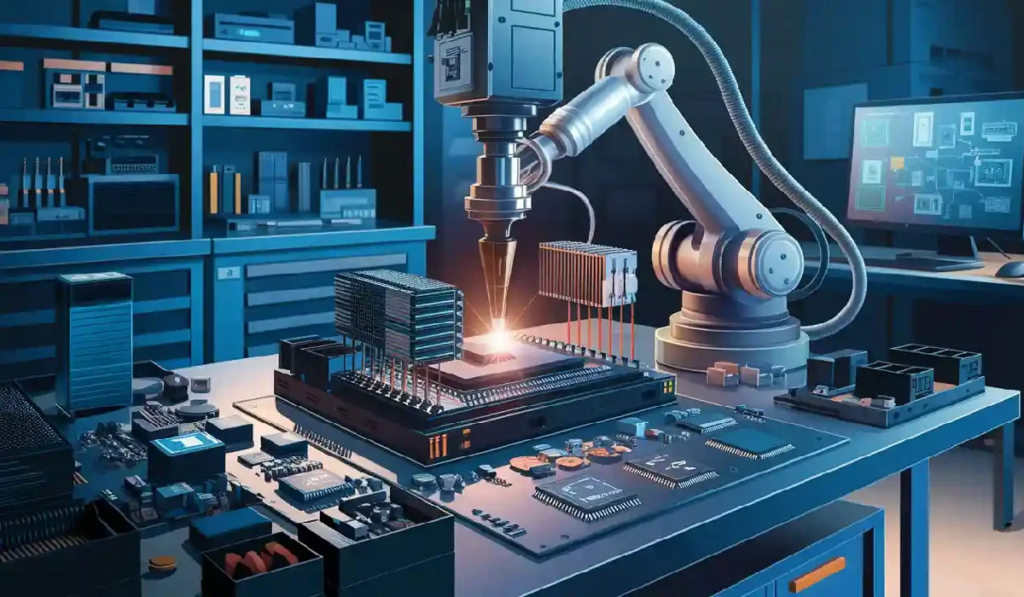
The electronics sector is also experiencing a significant coolkingzone com transformation due to RepMold. With the rapid growth in technology, devices like smartphones, laptops, and home appliances require sophisticated parts that are lightweight and capable of dissipating heat efficiently. Employing RepMold in the production of casing and internal components ensures that these electronics meet both performance requirements and design aesthetics. The precision and repeatability offered by RepMold contribute to the reliability of electronic devices, ultimately enhancing user experience.
In summary, the adaptability of RepMold technology across industries such as automotive, consumer goods, and electronics showcases its potential to revolutionize traditional manufacturing processes. By enabling the production of more intricate, durable, and environmentally friendly products, RepMold is poised to reshape the future of molding technologies.
The Future of RepMold Technology
The landscape of plastic molding technology is undergoing a significant transformation, with RepMold at the forefront. As the industry embraces sustainability and efficiency, the future of RepMold technology appears promising, marked by continuous innovation and advancements in materials and processes. One of the pivotal trends shaping this future is the development of biodegradable and recyclable materials that align with global sustainability goals. This shift not only aims to reduce plastic waste but also seeks to appeal to environmentally conscious consumers and manufacturers.
Additionally, the integration of smart technology and automation into the RepMold process is expected to enhance operational efficiency. By utilizing advanced sensors and data analytics, manufacturers can optimize production cycles, minimize waste, and ensure high-quality outputs. This level of technological sophistication allows for a more accurate and adaptive molding process that can respond dynamically to changing production needs.
Moreover, as the demand for customized products continues to grow, RepMold technology is likely to evolve, incorporating more flexible and versatile molding solutions. These advancements will provide manufacturers with the ability to produce a broader range of designs and specifications, catering to diverse market needs. In this context, techniques such as additive manufacturing and 3D printing are anticipated to play a significant role in the future of RepMold, allowing for faster prototyping and reduced lead times.
In light of these developments, it is essential for businesses and stakeholders in the manufacturing sector to embrace the potential of RepMold technology. By staying informed about the latest trends and advancements, they can strategically position themselves to capitalize on the evolving landscape of plastic molding. The prospects for RepMold remain bright, promising a future of innovation, sustainability, and enhanced production capabilities in the industry.
