

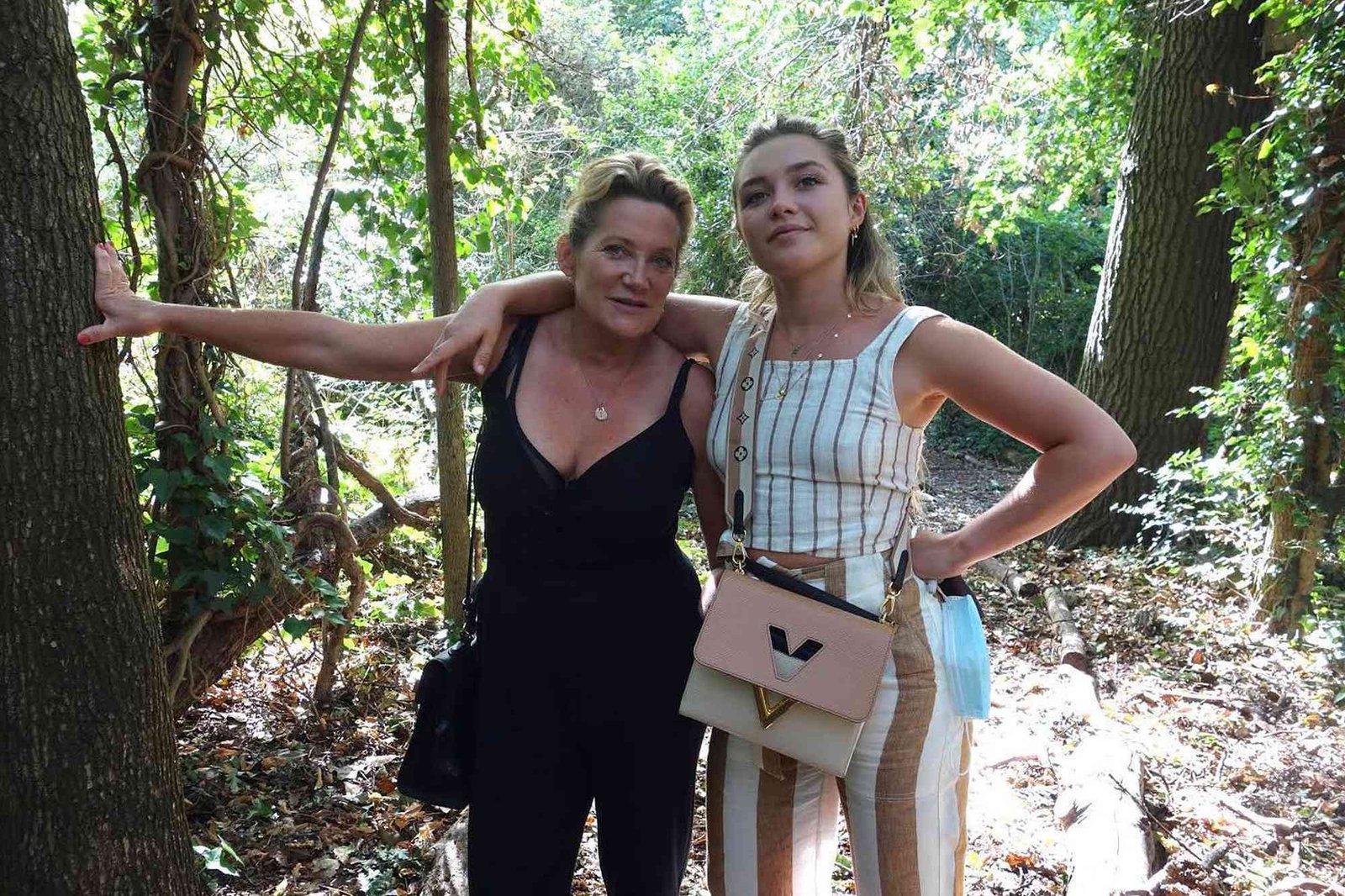
Introduction to Deborah Mackin
Deborah Mackin is a prominent figure in the realm of modern art, well-regarded for her innovative techniques and profound influence on contemporary artistic trends. Born into a family that appreciated creativity, Mackin was exposed to various art forms from a young age, which inspired her passion for expression through visual mediums. Her early education at established institutions such as the School of the Art Institute of Chicago equipped her with foundational skills and knowledge, fostering her initial fascination with bold colors and abstract forms.
Throughout her formative years, Deborah Mackin drew inspiration from a diverse array of sources, including the works of abstract expressionists and contemporary sculptors. This eclectic mixture of influences can be observed in her early pieces, which often sought to challenge the conventional perceptions of art. A pivotal moment in her career was her first solo exhibition, where her unconventional use of materials and techniques garnered attention from both critics and collectors alike, marking her ascent into the broader art community.
In the years that followed, Deborah Mackin continued to evolve her artistic voice. Her dedication to experimentation led her to explore mixed media, blending traditional and modern practices. This evolution was indicative of a larger trend towards interdisciplinary approaches in art during the late 20th century. Although the initial reception of her work varied, with some critics embracing her radical approach while others dismissed it, Mackin persevered. Today, she is celebrated not only for her artistic contributions but also for her role in shaping conversations surrounding the themes of identity and perception in art.
Major Works and Artistic Style
Deborah Mackin has made a considerable impact on the contemporary art scene, with a body of work that reflects her unique vision and style. Among her most notable pieces are Whispers of the Earth and Fragments of Time, both of which have garnered critical acclaim and have been featured in several prestigious exhibitions. These works demonstrate her ability to blend various mediums, including painting, sculpture, and installation art, creating immersive experiences for her audience.
Mackin’s artistic style is characterized by her exploration of themes such as nature, memory, and identity. She often employs mixed media techniques, integrating organic materials with traditional art supplies, to challenge the boundaries of her medium. For instance, in Whispers of the Earth, she combines reclaimed wood with paint and found objects, resulting in a tactile representation of the passage of time and the interconnectedness of life.
A significant aspect of Mackin’s work is her ongoing collaboration with other artists and cultural institutions, which has enriched her artistic journey. Her partnership with environmental organizations has influenced her thematic focus, particularly her commitment to highlighting ecological issues through art. This collaborative spirit not only fosters community engagement but also serves to deepen the emotional impact of her work, drawing viewers’ attention to the pressing concerns of our times.

Over the years, Deborah Mackin has refined her artistic approach, moving towards more conceptual frameworks while maintaining her signature aesthetics. This evolution reflects a mature understanding of her role as an artist in society, creating art that resonates with the viewer on both a personal and universal level. As her portfolio expands, Mackin continues to invite dialogue around her work, encouraging audiences to reflect on their own experiences and perceptions.
Deborah Mackin has made significant contributions to the art community that extend far beyond her notable artwork. Through her active engagement in various mentorship programs, she has empowered numerous aspiring artists, providing them with the guidance and resources necessary to navigate the complexities of the art world. Her ability to connect with young talents has fostered an environment where creativity thrives, allowing these emerging artists to express themselves freely and gain visibility.
In addition to her mentoring efforts, Deborah has been instrumental in organizing workshops that cater to a diverse range of artistic disciplines. Florence Pugh These workshops not only serve as a platform for skill enhancement but also promote inclusivity in the arts. By encouraging collaboration among participants from different backgrounds, she champions a sense of community that is often lacking in competitive environments. Her workshops have become renowned for their engaging content and supportive atmosphere, attracting participants eager to learn and network.
Deborah Mackin’s influence extends to her active participation in various art organizations. She has held leadership roles that enable her to advocate for underrepresented artists, ensuring their voices are amplified and celebrated. Her efforts to create equitable opportunities within the art community have positioned her as a vital ally for those striving for recognition in the field. By working closely with these organizations, Deborah has encouraged initiatives aimed at diversifying representation in galleries and exhibitions, further enhancing accessibility for emerging talents.
Through her commitment to mentorship, workshops, and organizational involvement, Deborah Mackin has become a pivotal figure in shaping the future of the art community. Her dedication to uplifting others not only impacts the present artistic landscape but also ensures a vibrant and inclusive future for generations to come.
Legacy and Future Directions
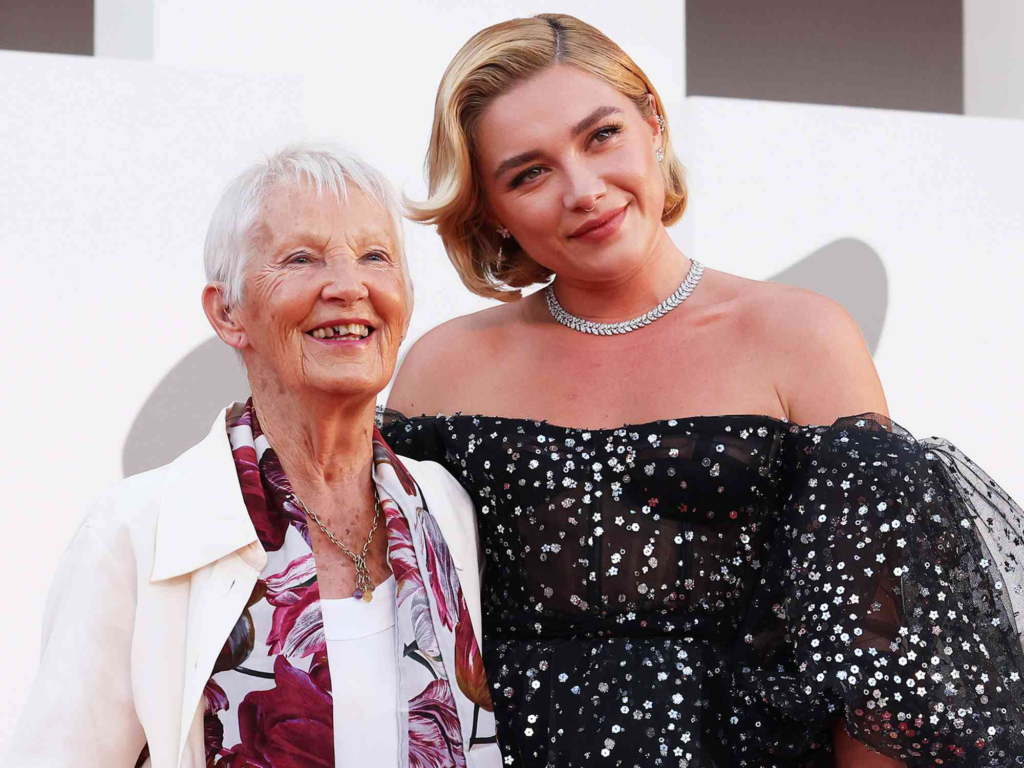
Deborah Mackin has firmly established herself as a prominent figure in the modern art landscape. Her innovative approach to combining traditional techniques with contemporary concepts has not only garnered extensive critical acclaim but also provoked thoughtful discussions about the nature of art itself. This duality in her work often attracts diverse audiences, ranging from art professionals to casual observers, showcasing her unique ability to resonate across various demographics.
Throughout her career, Mackin has received numerous accolades, including prestigious awards that underline her contributions to the art community. Critics frequently highlight her capacity to challenge conventional norms while maintaining an accessible aesthetic. This balance has solidified her status as a role model for emerging artists who seek to carve their own paths in a competitive industry. As a result, many contemporary creators cite Mackin’s work as a source of inspiration, leading to a generational ripple effect in the artistic dialogue.
Looking ahead, the future directions of Deborah Mackin’s career appear promising. There are indications that she is currently involved in several upcoming projects and exhibitions that will further showcase her evolution as an artist. These initiatives not only highlight her commitment to innovation but also her desire to engage with current societal themes. As Mackin continues to explore new artistic territories, one can anticipate a lasting impact that will influence the next wave of artists seeking to express their unique visions.
In conclusion, Deborah Mackin’s legacy intertwines creativity with inspiration, reflecting her dedication to both her craft and the larger art community. As she forges ahead, her contributions will undoubtedly foster an environment where art remains a vital instrument for exploration and connection among diverse audiences.
