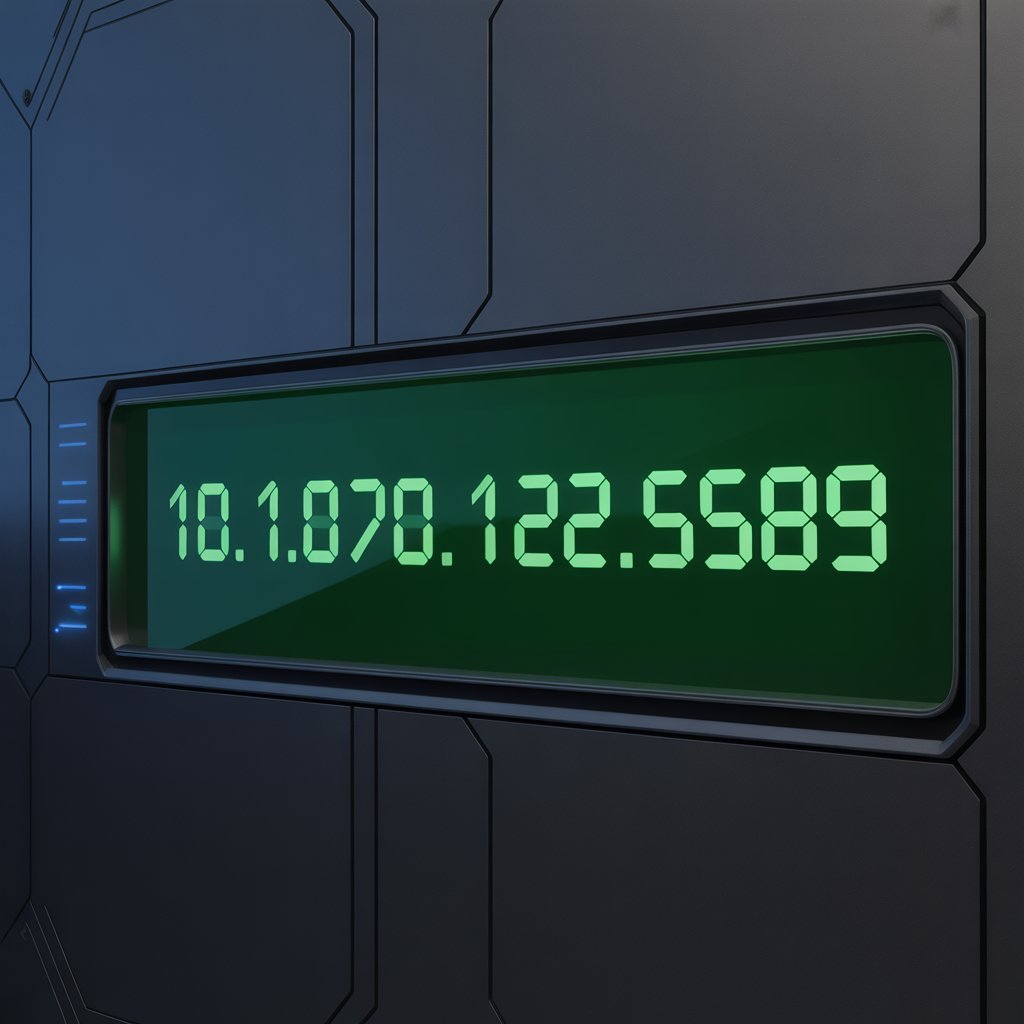
What is 10.10.70.122.5589?
The numerical address 10.10.70.122.5589 is an unconventional representation of an Internet Protocol (IP) address. Typically, IP addresses follow a standard format consisting of four octets, with each octet being an integer between 0 and 255, such as 192.168.1.1. However, in this instance, the format extends beyond these standard conventions, displaying an additional segment that raises questions about its use and structure.
To break down the components of 10.10.70.122.5589, one can observe that it begins with four octets: 10, 10, 70, and 122, which fall within the standard range for IPv4 addresses. This suggests that these initial segments could represent a valid private IPv4 address typically used within local networks. The private address range defined by RFC 1918 allows for isolation of internal networking from external networks, enabling devices to communicate efficiently within a closed system.
The additional segment, 5589, however, is atypical for standard IP address format and poses significant implications. It could represent a port number or an identifier for a specific service or application running on that address. In networking, the port number is crucial as it helps direct traffic to the appropriate service on a device. It is essential to distinguish between IP addresses utilized for routing packets and ports that specify designated services or applications on a server.
By examining the structure of 10.10.70.122.5589, it becomes evident how extensions beyond the standard IP address format can occur and what they signify. The preparation for utilizing addresses such as this one requires a solid understanding of IP addressing, network topologies, and the purposes that unconventional formats might serve in advanced networking scenarios.
Common Uses and Applications of 10.10.70.122.5589
The numerical address 10.10.70.122.5589 plays a significant role in various technological domains, particularly in networking and data transfer protocols. This structure represents an IP address commonly employed in various networking scenarios, such as local area networks (LANs) or for private network configurations. Understanding its applications can aid in the effective management and optimization of network resources.
One of the primary uses of 10.10.70.122.5589 is for routing purposes within a network environment. It can serve as a gateway for devices, facilitating communication between different segments of a network. Such addresses, usually falling within the range of private IP addresses, help maintain a secure configuration that prevents unauthorized access while ensuring efficient data flow.
Additionally, this numerical format can be instrumental in testing network applications and systems. For instance, developers might simulate traffic through this IP address to examine how software responds under varying conditions. This practical application allows teams to identify potential bottlenecks and improve the overall performance of their networking solutions.
Moreover, 10.10.70.122.5589 might frequently appear in environments that utilize virtual private networks (VPNs) and cloud services. In such contexts, this address can facilitate secure connectivity for remote users, allowing them to access internal resources as if they were directly connected to the organization’s local network. This application underscores the importance of proper configuration and management of IP addresses to ensure security and reliability.
In summary, the uses and applications of 10.10.70.122.5589 span a wide range of networking scenarios, from routing and testing to enhancing security via VPNs. By recognizing these applications, network administrators can better leverage such addresses to optimize their infrastructure and enhance data transfer capabilities.
Potential Issues and Limitations of 10.10.70.122.5589
The address 10.10.70.122.5589, resembling a specific network configuration or an internal IP address, may pose certain issues and limitations for users and network administrators alike. One of the primary technical complications involves its formatting, as the presence of the fourth number exceeding 255 is unconventional based on standard IPv4 addressing protocols. This misalignment can lead to confusion when attempting network configuration or troubleshooting, as devices may misinterpret the address.
Additionally, users may encounter challenges regarding compatibility with various network equipment. Not all routers or firewalls are equipped to handle non-standard IP formats like 10.10.70.122.5589, leading to potential connectivity issues. This can result in network devices being unable to recognize or interact with the address properly, causing disruptions in service or accessibility problems for end users.
Another pertinent aspect is the lack of documentation and community support for formats resembling 10.10.70.122.5589. Many online resources, forums, and technical support teams primarily address standard IP addresses. Consequently, if network administrators face difficulties with this format, they may struggle to find relevant troubleshooting tips or guidance.
Some common troubleshooting measures include verifying that the address format adheres to accepted standards, ensuring compatibility with network devices, and consulting device manuals or support lines for assistance. Given that this address format can lead to confusion, it remains critical for users to have a clear understanding of its structure and potential pitfalls.
In conclusion, while 10.10.70.122.5589 may serve a specific purpose, its unusual formatting and potential for confusion can create challenges that warrant careful consideration during network setup and maintenance.
Future of Numerical Addresses and Innovations in Networking
As the digital landscape continues to evolve, the future of numerical addresses like 10.10.70.122.5589 holds significant implications for networking and communications. Traditional IPv4 addresses, exemplified by numerical formats such as this, are rapidly becoming sparse due to the increasing number of devices connected to the internet. This situation has catalyzed the transition towards IPv6, which offers a substantially larger address space to accommodate future growth.
One of the most notable trends in networking is the shift towards automation and intelligent networking solutions. Technologies such as Software-Defined Networking (SDN) and Network Function Virtualization (NFV) are paving the way for more agile and scalable networks. These advancements allow for better management of IP addresses, including those in the format of 10.10.70.122.5589, reducing complexity and improving overall efficiency.
Moreover, the integration of the Internet of Things (IoT) is reshaping how numerical addresses are utilized. With countless devices communicating over the network, there is a pressing need for innovative addressing schemes that can support mobility and seamless connectivity. This has led to discussions around alternatives like Hierarchical Addressing, which can effectively manage addresses while ensuring minimal disruption during transitions from IPv4 to IPv6.
In addition, security remains a paramount concern in the future of numerical addresses. As networks grow more complex, robust security protocols must be established to safeguard against potential threats. Next-generation firewalls and advanced intrusion detection systems are becoming critical in protecting numerical addresses such as 10.10.70.122.5589 from unauthorized access.
In conclusion, the future of numerical addresses will undoubtedly be influenced by technological advancements, evolving networking paradigms, and the necessity for enhanced security measures. Understanding these dynamics is vital for professionals engaged in the field of networking.